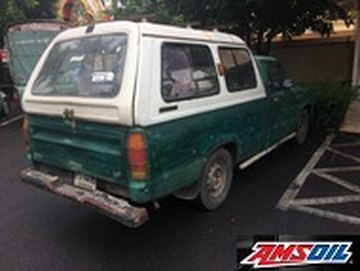
Maintaining Lubrication Integrity for the 1982 Ford Trucks COURIER 2.0L
Proper engine care for a vehicle like the 1982 Ford Trucks COURIER with a 2.0L engine involves more than just occasional fluid checks. Maintaining the internal health of an engine requires a disciplined approach to lubrication and regular monitoring of various mechanical components. Because older vehicles often experience changes in material properties over time, staying proactive with inspections can help identify potential issues before they escalate into significant repairs.Monitoring Fluid Condition and Potential Seepage
One of the most effective ways to monitor the health of your 1982 Ford Trucks COURIER is through regular visual inspections for fluid integrity. Over years of operation, various seals and gaskets may undergo changes in their ability to maintain a tight seal. It is useful to inspect the area around the engine for any signs of seepage or active leaks. When performing these checks, look for:- Dampness or oily residue on the exterior of the engine block or near sealing surfaces.
- Evidence of fluid pooling on the ground beneath where the vehicle is parked.
- Changes in the color or consistency of the oil when checked via the dipstick.
Observing Operational Warning Signs
Beyond visual leaks, how the engine behaves during operation provides critical information regarding its lubrication status. Owners should remain attentive to any changes in the vehicle's normal operating characteristics. Unusual mechanical noises can sometimes be linked to lubrication levels or quality. While many sounds are unrelated to oil, any new or persistent knocking or tapping may indicate that a component is not receiving adequate lubrication. Additionally, if you notice unusual exhaust smoke, this should be investigated, as it can sometimes be associated with how the engine manages its internal fluids. If a warning light or indicator appears on the dashboard, this requires immediate attention. Such indicators are designed to alert the operator to conditions that could potentially impact engine safety and longevity. Always treat new dashboard warnings as high-priority items for inspection.Prioritizing Maintenance Based on Current Condition
For an older vehicle, maintenance decisions are often most effective when based on the actual current condition of the machine rather than just its age. If you have recently acquired this 1982 Ford Trucks COURIER and do not have a complete service history, establishing a maintenance baseline is a practical first step. This involves performing a thorough inspection of all fluids, filters, and accessible mechanical components to understand the vehicle's current state. When managing long-term ownership, consider these priorities:- Reviewing Records: If previous service records are available, use them to identify patterns or previously addressed repairs.
- Addressing Active Issues: Prioritize any active leaks, unusual noises, or overdue maintenance tasks identified during inspections.
- Monitoring Consumption: Keep track of how much oil the engine uses between service intervals. A sudden increase in consumption is a significant indicator that something has changed within the engine's operating environment.
Inspecting Auxiliary Engine Components
While the engine oil is central to lubrication, other components play a role in the overall health of the 2.0L power plant. During routine service, it is beneficial to inspect other parts that may be subject to wear or environmental degradation. If equipped, check any accessible drive belts for signs of deterioration such as cracking, glazing, or fraying. Similarly, if the vehicle is equipped with various hoses, inspect them for softness, bulging, or leaks. Even electrical connections and wiring should be checked for signs of corrosion or damage, as these can affect how sensors and other engine-related electronics function. Regularly checking the air filtration system is also a vital part of engine maintenance. A clean air intake ensures that the engine is not working harder than necessary due to restricted airflow, which helps maintain efficient operation.Effective Record Keeping for Long-Term Ownership
Maintaining a detailed log of all service performed on your 1982 Ford Trucks COURIER can be an invaluable tool for long-term maintenance. A consistent record provides a clear history of fluid changes, filter replacements, and any mechanical repairs. This documentation is helpful not only for managing the vehicle's current needs but also for maintaining its value and providing clarity if the vehicle is ever sold. A good maintenance log should include:- The date of each service.
- The specific products used (such as oil type or filter part numbers).
- The mileage at the time of service.
- Detailed notes on any observations made during inspections, such as minor seepage or upcoming needs.
Practical Guidance for Buying Engine Oil for your 1982 Ford Trucks COURIER 2.0L
When it is time to replenish your engine's lubrication, ensure you are selecting a product that matches the specific needs of your application. Rather than relying on general assumptions about older engines, always refer to the vehicle-specific oil viscosity and application information provided on this webpage. When shopping for new lubricant, consider the following:- Match Application Data: Use the exact viscosity and specifications listed in the application information above to ensure compatibility with your 2.0L engine.
- Verify Product Labels: Always check the product packaging to confirm that the oil meets the appropriate API certification for your needs.
- Evaluate Formulations: Depending on your specific engine condition, you may choose between conventional, synthetic blend, or full synthetic oils. Some high-mileage formulations also include seal-conditioning additives which are intended for use in aging engines.